The Personal Data Protection Act (PDPA) 2010 is Malaysia’s primary law governing how businesses collect, process, store, and use personal data. Its purpose is to give individuals control over their information while requiring organizations to handle data responsibly.
For Malaysian businesses, PDPA compliance is no longer optional. Cloud platforms, digital payments, and online services mean that even small companies process personal data daily. When data is not properly secured, businesses face regulatory penalties, financial losses, and long-term reputational damage.
This article explains what PDPA is, what it requires from businesses, and why it matters for organizations of all sizes in Malaysia.
What is PDPA in Malaysia?
The PDPA 2010 is a Malaysian law that regulates how personal data is processed in commercial transactions. It applies to:
- Companies incorporated in Malaysia.
- Foreign businesses that process the personal data of Malaysian individuals
PDPA defines personal data broadly. It includes any information that can identify an individual, such as names, identification numbers, contact details, addresses, health information, and digital identifiers.
In practice, PDPA requires businesses to process personal data fairly, transparently, and securely. Organizations must implement safeguards that protect data from loss, misuse, and unauthorized access. This approach aligns PDPA with global data protection frameworks, including the EU’s GDPR, making it relevant for Malaysian businesses working with regional or international partners.
What Does PDPA Require Businesses to Do?
The Personal Data Protection Act 2010 (Act 709) establishes seven Personal Data Protection Principles, each set out under specific sections of the law. These principles form the foundation of PDPA compliance and determine how Malaysian businesses must process personal data.
The first is the General Principle (Section 6), which requires that businesses obtain consent before collecting or processing personal data. In practice, this means a company must have a lawful purpose for collecting information such as customer names, phone numbers, or IC numbers; and customers must be informed and agreeable to that use.
The second is the Notice and Choice Principle (Section 7). It obligates businesses to notify individuals of the purposes for which their data is being collected and processed, and to give them the option to decline. For example, an online retailer must publish a privacy policy that clearly states how customer information will be used.
The third is the Disclosure Principle (Section 8), which restricts businesses from disclosing personal data to any third party without prior consent from the individual. If a logistics company wants to share delivery information with a marketing partner, it can only do so if customers have been informed and approved the disclosure.
The fourth is the Security Principle (Section 9). It requires businesses to take “practical steps” to safeguard data from loss, misuse, modification, unauthorised access, or disclosure. In business terms, this means deploying IT safeguards such as data encryption, access control, system monitoring, and disaster recovery planning.
The fifth is the Retention Principle (Section 10), which prevents businesses from keeping personal data longer than necessary. Organisations must establish data lifecycle policies to securely dispose of outdated or irrelevant records rather than storing them indefinitely.
The sixth is the Data Integrity Principle (Section 11). It requires organisations to ensure that the personal data they hold is accurate, complete, not misleading, and kept up to date. This obligation makes regular database checks and verification processes essential, especially for companies with large customer records.
Finally, the Access Principle (Section 12) grants individuals the right to access their personal data and to request corrections if it is inaccurate. Businesses must provide procedures to respond to such requests promptly, balancing compliance with operational efficiency.
Together, these seven principles show that PDPA compliance is not only a legal formality but also a framework for responsible data management. By following them, businesses build trust with their customers while strengthening their overall IT governance.
Why is PDPA Important for Businesses in Malaysia?
PDPA compliance directly affects how businesses operate and compete in the digital economy.
- Legal Risk – Non-compliance can result in fines of up to RM500,000 or imprisonment.
- Customer Trust – Malaysian consumers are increasingly cautious about how their data is used. Businesses that demonstrate compliance earn stronger loyalty.
- Reputation – Data breaches make headlines. A company that loses customer data risks permanent brand damage.
- Business Continuity – By following PDPA, companies also improve their cybersecurity posture, which helps reduce downtime from ransomware or other attacks.
- Regional Relevance – Many multinational partners require PDPA compliance before working with Malaysian companies, making it a business enabler.
In short, PDPA protects customers and strengthens businesses. It creates a baseline of trust that helps Malaysian companies grow in both local and international markets.
What Happens If You Don’t Comply With PDPA?

The PDPA is not just a guideline, it carries legal consequences. Under Part VIII of the Act (Sections 129–133), non-compliance can result in both fines and imprisonment, depending on the nature of the offence.
For example, failure to comply with the General Principle (Section 6), such as processing personal data without consent, is an offence punishable by a fine of up to RM300,000 or imprisonment of up to 2 years, or both*.
Breach of the Security Principle (Section 9), such as failing to protect personal data from unauthorized access or data leaks, carries heavier penalties, up to RM500,000 in fines and imprisonment of up to 3 years*.
The Commissioner of Personal Data Protection also has the authority under Section 108 to issue enforcement notices requiring businesses to correct or stop unlawful data processing. Failure to comply with such notices can lead to additional penalties.
* Source of information: Skrine Advocates & Solicitors / Azmi Law
How Can Businesses Ensure PDPA Compliance?
PDPA compliance requires a mix of policy, process, and technology. Businesses that want to stay compliant must first understand where personal data enters, how it is processed, and where it is stored.
A good starting point is to conduct a data audit. This identifies what personal data is collected, who has access to it, and whether proper consent has been obtained. From there, companies should establish or update a privacy policy that reflects the obligations under Sections 6–12 of the Act.
Beyond documentation, the Security Principle (Section 9) requires businesses to take “practical steps” to secure data. This means adopting solutions such as:
- Encryption to secure sensitive files.
- System monitoring to detect unusual access.
- Disaster recovery and backup strategies to restore data if systems fail or are attacked.
Staff training is equally important. Employees must understand how to handle customer data, respond to access requests under the Access Principle (Section 12), and report potential data breaches.
What Role Does IT Compliance Play in PDPA?
While PDPA sets the legal framework, IT compliance ensures that the required safeguards are consistently enforced. In practical terms, IT compliance refers to the systems, processes, and audits that verify whether an organization’s technology environment aligns with regulatory standards.
For example, under the Security Principle (Section 9), a company may state that it protects customer data. IT compliance ensures this claim is backed by actual controls such as firewalls, endpoint protection, and access logs that can be audited.
IT compliance tools also help with the Retention Principle (Section 10) by automating data deletion policies, and with the Data Integrity Principle (Section 11) by enforcing database validation checks.
More importantly, compliance frameworks such as ISO/IEC 27001 or PCI DSS complement PDPA (more about this later) by providing structured methods to audit, enforce, and verify controls. This alignment makes it easier for Malaysian businesses to demonstrate compliance not only locally but also to international partners.
Is PDPA Enough on Its Own?
IT compliance provides the tools and processes to enforce the seven principles of the PDPA, but for many businesses, meeting PDPA alone is not enough.
The Act establishes a baseline for handling personal data in Malaysia, covering consent (Section 6), security (Section 9), and data integrity (Section 11), yet it does not always address the broader requirements that come with international operations.
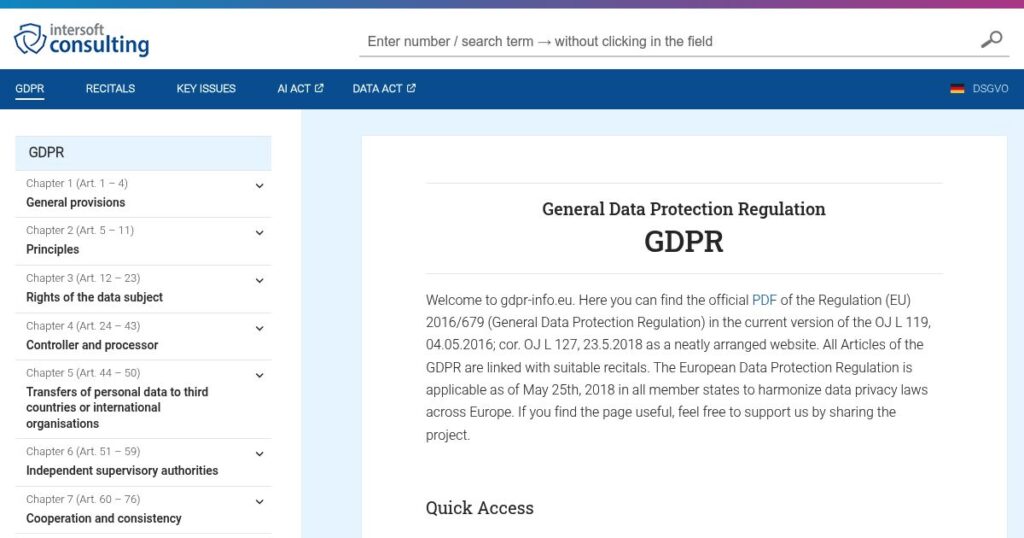
For instance, companies working with European clients often face the General Data Protection Regulation (GDPR). While GDPR shares much in common with PDPA, such as the need for transparency, access rights, and security safeguards, it goes further by including rights like data portability and the right to erasure (“right to be forgotten”), which are not explicitly written into the PDPA.
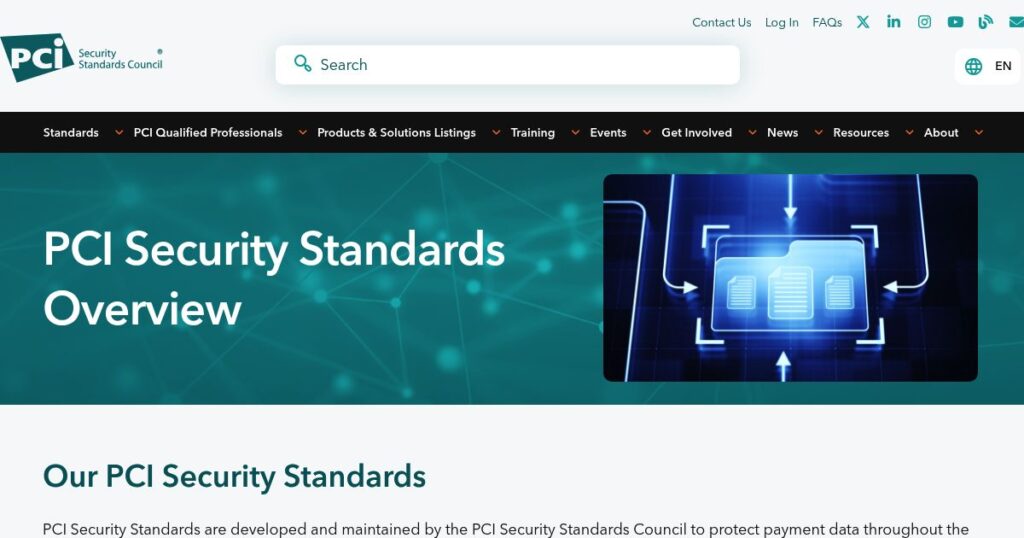
Businesses that handle payment transactions encounter another layer of obligation under the Payment Card Industry Data Security Standard (PCI DSS). This standard is far more technical, requiring continuous monitoring, vulnerability scanning, and strict encryption rules. In many ways, PCI DSS expands on the expectations of PDPA’s Security Principle (Section 9).
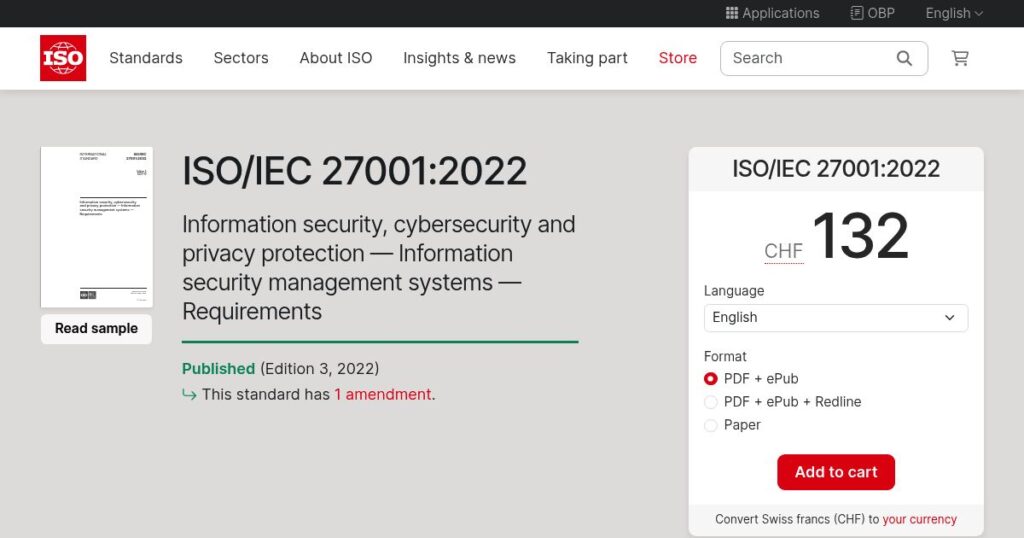
Industry certifications such as ISO/IEC 27001 also play an important role. While PDPA tells businesses what must be done, ISO 27001 provides a structured framework on how to manage information security through formal risk assessments, controls, and regular audits.
This makes PDPA a strong foundation, but not the complete picture. Businesses that only meet PDPA requirements may be compliant locally, but still fall short of global best practices. Aligning with international frameworks like GDPR, PCI DSS, or ISO 27001 helps Malaysian businesses build stronger resilience, win customer trust, and meet the expectations of international partners.
Conclusion
The PDPA 2010 gives Malaysian businesses a strong foundation for managing personal data, but as we have seen, it is only the starting point. For companies that operate across borders, handle payments, or serve international partners, aligning PDPA with frameworks like GDPR, PCI DSS, or ISO 27001 provides stronger assurance and resilience.
This is where technology becomes central. While lawyers can interpret the clauses of the Act, it is IT systems that make compliance work in practice. Protecting customer databases, encrypting sensitive information, monitoring networks for breaches, and restoring data during outages are all technical safeguards that bring PDPA principles to life.
At Callnet, we don’t offer legal advisory services — but we do help Malaysian businesses strengthen the IT infrastructure and cybersecurity practices that underpin compliance. Our expertise in system monitoring, data security and disaster recovery, managed IT services, and cloud solutions supports organizations in meeting regulatory obligations while also improving operational resilience.
If your business is reviewing its PDPA readiness, the next step is ensuring that your IT environment supports compliance and business continuity. Contact us today for a free consultation to explore how our IT solutions can help you build trust, reduce risks, and operate securely in Malaysia’s digital economy.